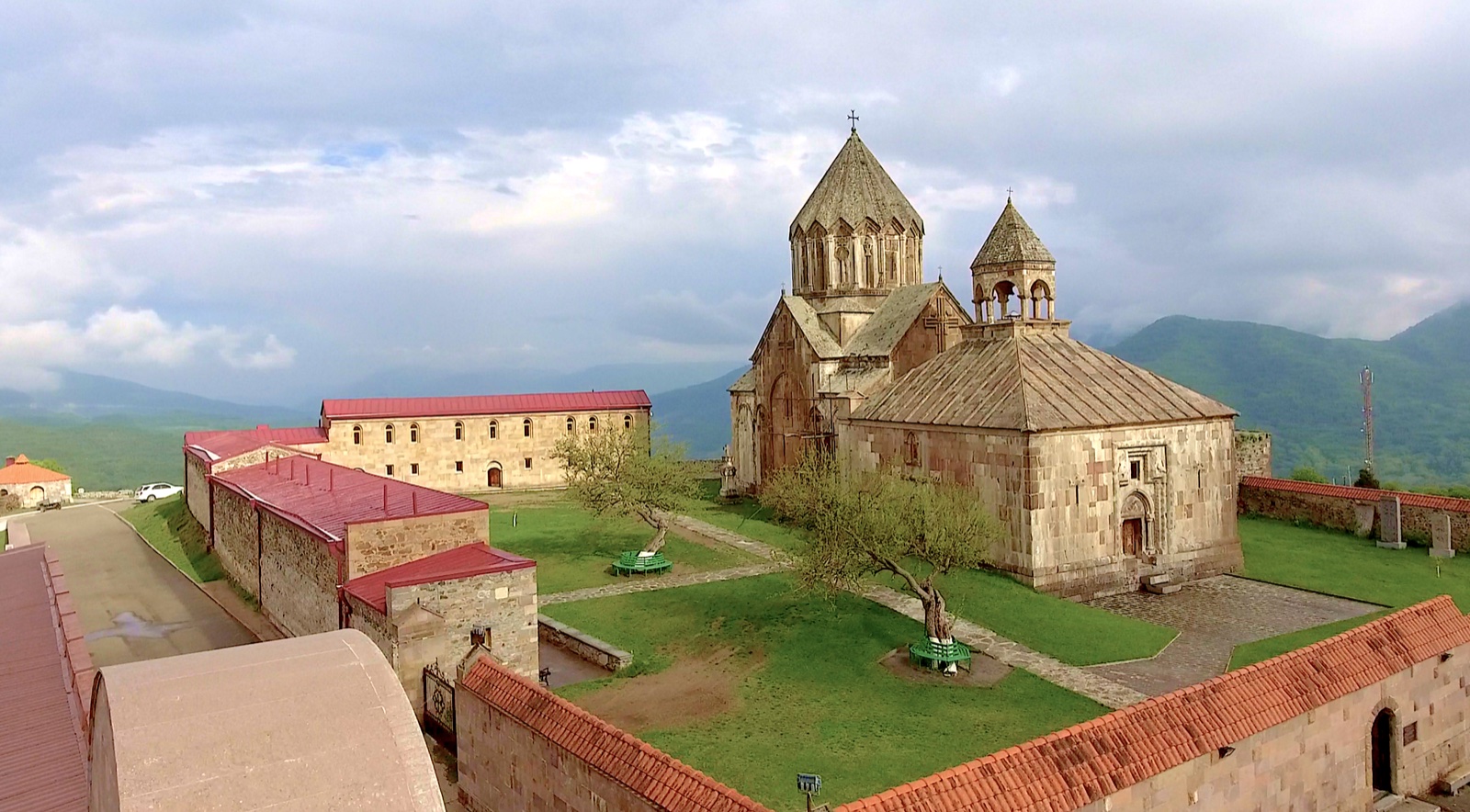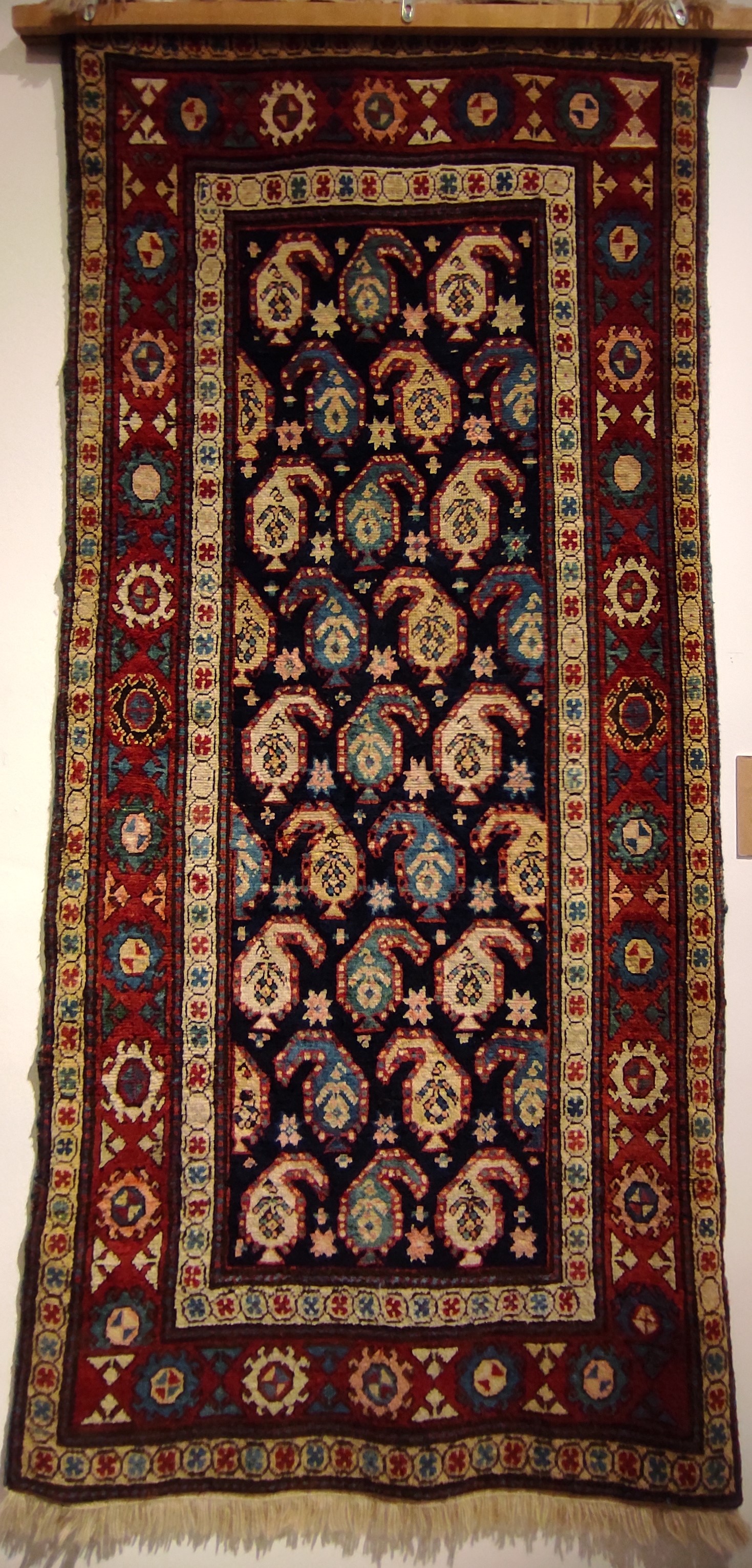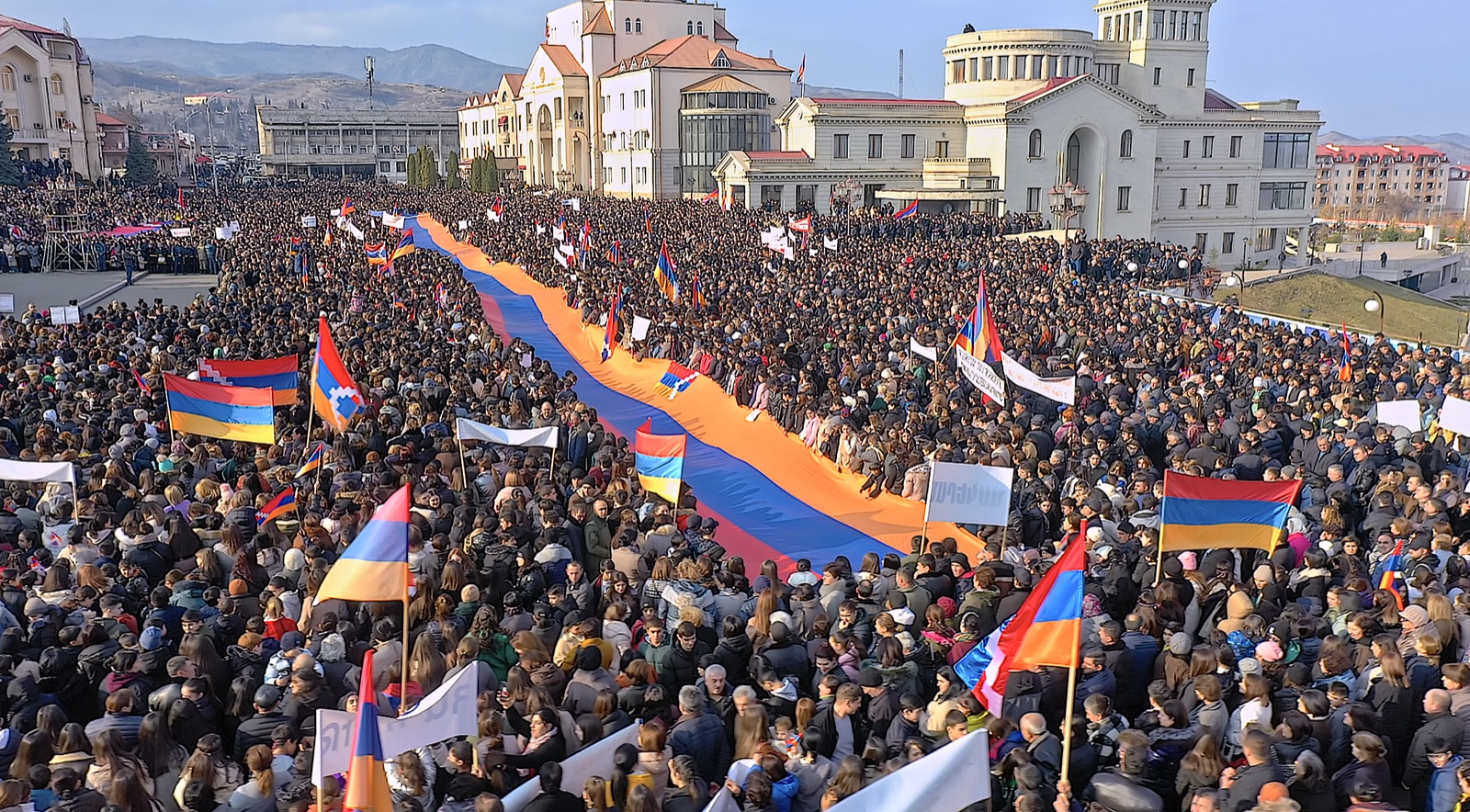
Armenian culture is one of the world’s ancient living cultures. Its roots stretch back thousands of years in the Armenian Highlands, a mountainous region that includes today’s Armenia and much of eastern Turkey.
Armenians trace much of their ancestry to people who lived in these highlands long ago. Their ancestors did not all arrive together from one other country. Many already lived there, while others moved into the region and became part of its communities.
DNA research supports a long connection between modern Armenians and the highlands’ ancient inhabitants. That history reaches much further back than the first written mention of Armenia. Research on Armenian ancestry
Where is the Armenian homeland?
The historic Armenian homeland is larger than the Republic of Armenia today.
It stretches across the highlands around Lake Van, Lake Sevan, and Mount Ararat. Lake Sevan is inside modern Armenia. Lake Van and Mount Ararat are now in eastern Turkey.
Armenian families lived for generations in places such as Van, Mush, Sasun, and Erzurum. Those places are outside Armenia’s current borders. Yerevan and the communities around Lake Sevan are within them.
That helps explain something many people discover about their family: an Armenian hometown may be in a country now called Turkey, rather than inside today’s Armenia. The borders changed around places where Armenian communities had long lived.
How old are Armenian roots?
Armenian ancestry reaches back more than 4,000 years—and its earlier roots extend further still.
One genetic study found evidence of mixing between ancestral populations around 3000–2000 BC. That was roughly 4,000 to 5,000 years ago, during the Bronze Age. Later research has added detail and challenged parts of earlier explanations. Earlier study, more recent research
Why does 520 BC appear in Armenian history?
The name Armenia appears in a Persian royal inscription from around 520 BC.
That gives historians a surviving written reference from more than 2,500 years ago. It does not mean Armenia or its people began that year.
Think of it as a dated piece of evidence: the name was already being used then. The people and communities behind that name had an older history.
Before that inscription, the highlands had also been home to Urartu, an ancient kingdom. Its history is part of the region’s past, although the relationship between its people, languages, and later Armenian identity is complex.
Was Armenia always the country we see on a map today?
No. Armenia’s borders and rulers changed many times.
There were Armenian kingdoms long before the modern republic. Under Tigranes the Great, who ruled from 95 to 55 BC, Armenia briefly became a large empire. Its territory extended far beyond today’s borders.
At other times, Armenian lands were divided or controlled by neighboring powers. Armenian communities continued to live there through those changes.
The modern Republic of Armenia became independent in 1991, as the Soviet Union broke apart. An earlier independent Armenian republic existed from 1918 to 1920.
So 1991 marks the independence of today’s republic. It does not mark the beginning of Armenian history.
What helped Armenian culture continue?
The Armenian language, books, churches, traditions, and family life helped communities stay connected across generations.
Armenia traditionally dates its adoption of Christianity as the state religion to AD 301. It is widely recognized as the first country to take that step.
Around AD 405, Mesrop Mashtots created the Armenian alphabet. People could write Armenian using a script developed for their language. They used it to translate books, teach, and record events.
Christianity and the alphabet became important parts of Armenian life. But Armenian history was already ancient before either milestone.
Why is my Armenian family from another country?
Your family may be Armenian and also have deep roots in Lebanon, Iran, Syria, France, the United States, or elsewhere.
Armenians moved beyond the highlands over many centuries. Some traveled for trade or work. Others were displaced by wars, persecution, or forced resettlement.
The Armenian Genocide began in 1915 and destroyed Armenian communities across the Ottoman Empire. Survivors rebuilt their lives in other countries. Their children and grandchildren often grew up speaking additional languages and belonging to more than one culture.
Not every Armenian family followed the same path. Some communities outside the homeland existed long before the genocide.
The country your family came from most recently may be different from its ancestral homeland. An Armenian family from Lebanon, for example, can have a Lebanese history and an Armenian history. Both belong to that family.
Explore your Armenian last name
Your surname may offer another connection to this history. Some names refer to a person, a place, or a job.
Use the name search to learn what your surname means and read the sources behind its explanation. A name can provide a clue, though it cannot establish your family’s exact history on its own.
Explore your Armenian last name →
Help preserve Armenian history
Cultural Impact Foundation shares Armenian history through documentary film.
Explore the projects to see whose stories are being told and what the foundation is working to bring to the screen.