Some of the most important stories are not absent because they are unimportant. They are absent because no one has made enough room for them yet.
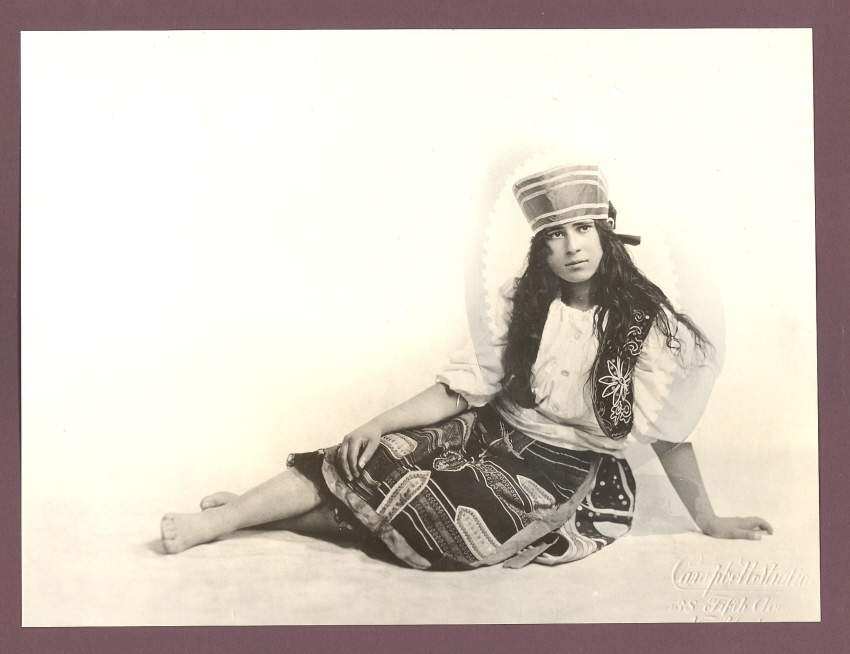
History is often taught as a sequence of events. But a culture is also held in its smaller pieces: a family’s place name, a photograph with no caption, a song someone remembers only halfway, or a story that changes each time it is told.
Memory lives in the details.
Those details are not secondary. They are often where people find their first honest connection to a history that can otherwise feel distant or overwhelming. They turn an inherited past into something human enough to ask about.
“The work is not only to remember. It is to make room for someone else to remember with you.”
The CIF Journal begins there: with the human thread. A film can open a door, but conversations, questions, and shared attention are what keep that door open.
Each story is an invitation to look closer, ask better questions, and make cultural memory something we actively share rather than passively inherit.