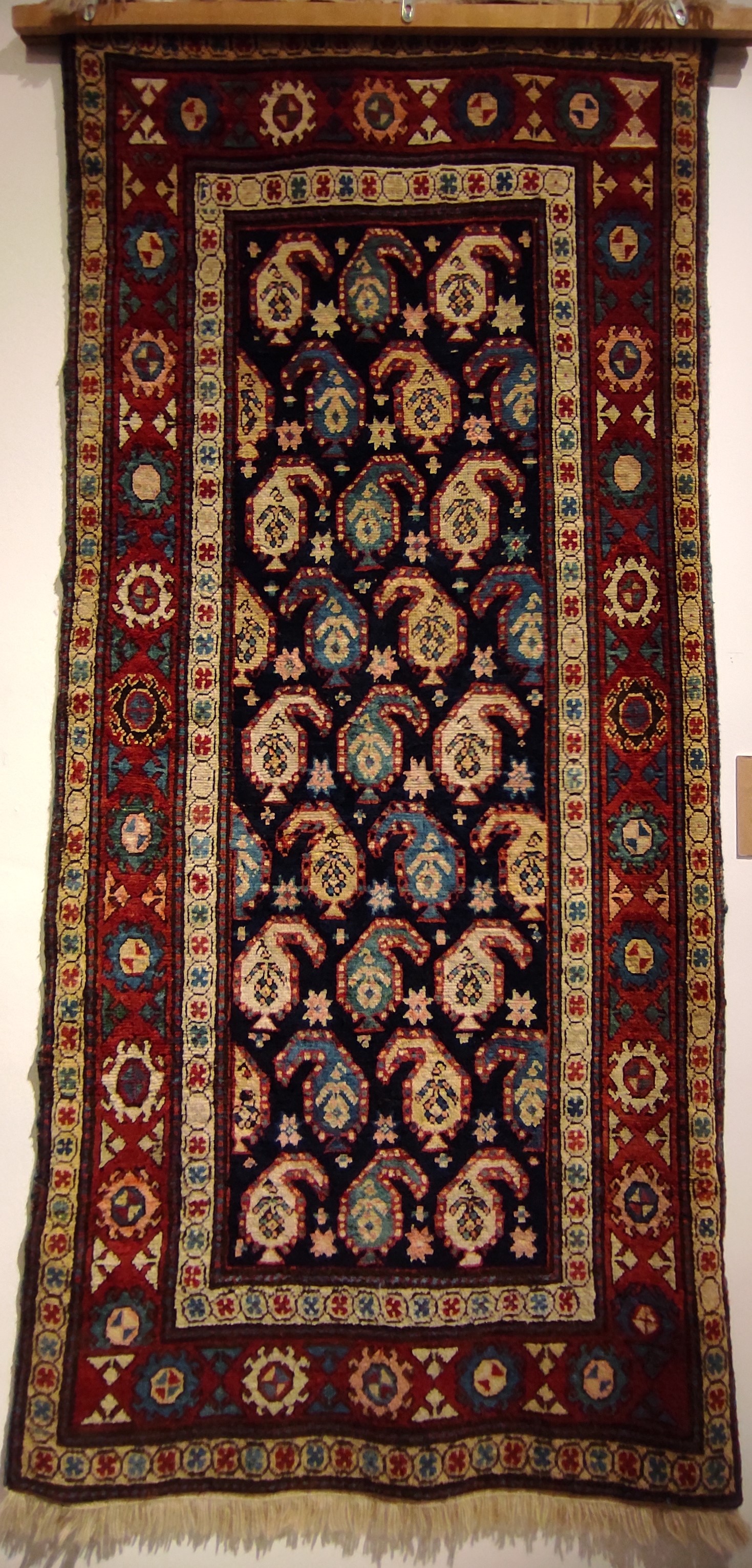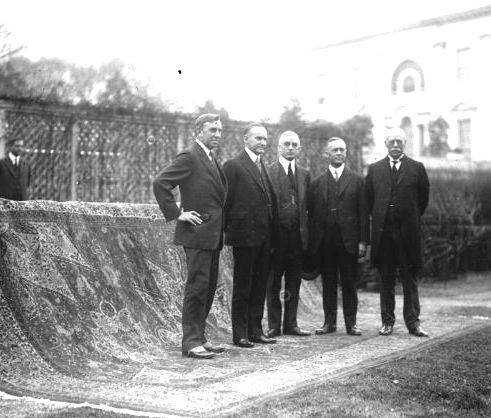
On December 4, 1925, President Calvin Coolidge received a rug made by Armenian girls who had survived the genocide.
They had woven it at an orphanage in Ghazir, in present-day Lebanon. It was a gift of thanks for American help with food, shelter, and care.
The rug took ten months to make and contained more than four million knots. Behind that enormous amount of work were children learning a skill while rebuilding their lives.
A new home in Ghazir
The Armenian Genocide left children separated from their families, displaced, or orphaned. Relief organizations established places where survivors could receive care and begin again.
Near East Relief operated the Ghazir orphanage. There, children learned rug weaving as a practical skill that could help them earn a living as adults.
The work required patience and training. Weavers followed patterns, selected colors, and tied rows of knots to build a finished design.
The presidential gift was part of a much larger effort. Thousands of rugs were made at Ghazir by children learning the craft.
A gift for the American people
The rug for Coolidge measured roughly 12 by 18 feet—large enough to cover much of a room.
Its label carried a short message:
“IN GOLDEN RULE GRATITUDE TO PRESIDENT COOLIDGE.”
It thanked the president and the American people for humanitarian assistance. The girls had made something that required months of careful work and sent it across the world.
The gift also showed what the children could do when they had a safe place to live, instruction, and the materials they needed.
The children behind the rug
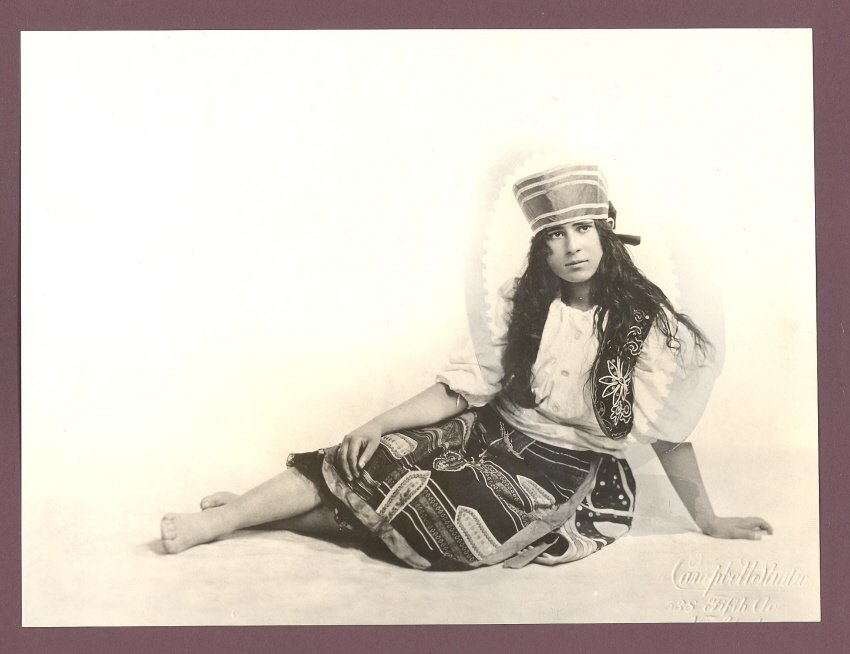
Historical photographs show girls at Ghazir with the rugs they made.
Those pictures help keep the focus on the makers. The finished rug is impressive, but it can tell only part of their story. The photographs show the children whose work created it.
They also make the history more personal. We can see young people learning and working together after events that had taken so much from them.
The rug went on public display
In November 2014, the Armenian Orphan Rug was displayed at the White House Visitor Center.
Visitors could see the gift made nearly ninety years earlier and learn about the children who had woven it.
The display connected two parts of the same history: the Armenian children who needed help and the Americans whose assistance supported them.
What the rug preserves
The rug gives us something real to examine: the pattern, the knots, the size, and the message attached to it.
Together with the photographs and orphanage records, it helps explain how children began rebuilding their lives after the genocide.
Their gift has outlasted the people who made and received it. The surviving records allow us to remember who those children were, why they were in Ghazir, and why they sent their work to the White House.